
Home / ATM Heist Gone Wrong: The 72-Hour Capture of a Cloned Card…
ATM Heist Gone Wrong: The 72-Hour Capture of a Cloned Card User
Mark T.'s brief journey into the world of carding led him straight into the hands of law enforcement. His experience highlights the perils of thinking one can remain anonymous in the realm of financial crime.
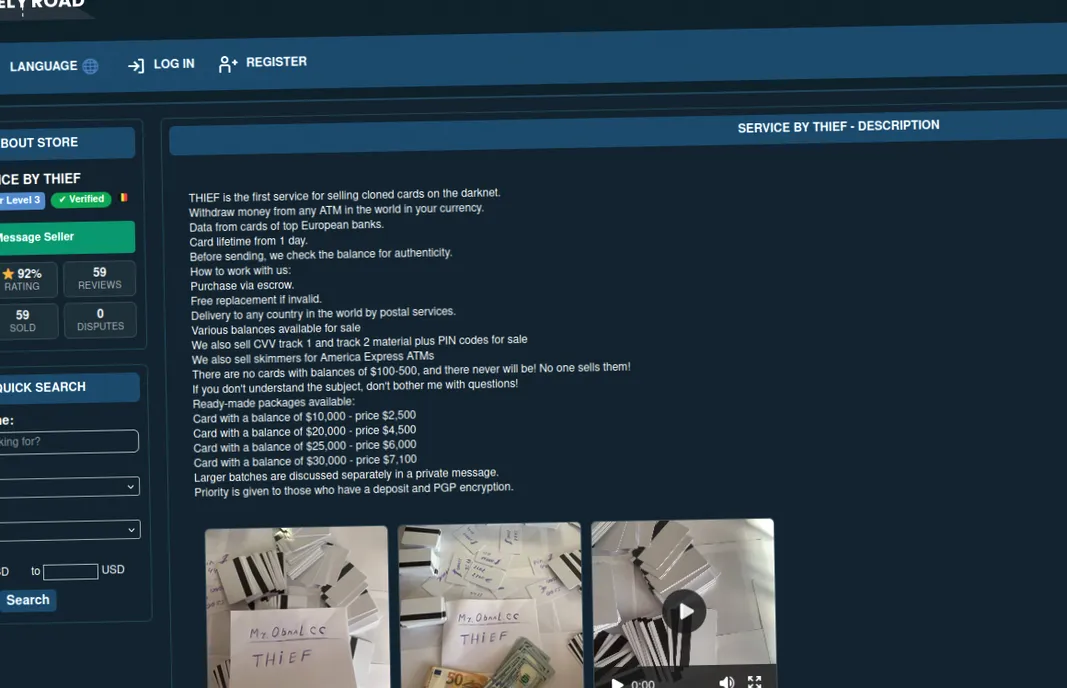
In the shadows of the digital underworld, carding remains a persistent threat. Mark T., a 34-year-old man from Tampa Bay, Florida, embarked on a risky endeavor in November 2024, believing he had stumbled upon a lucrative opportunity. His decision to purchase a set of six cloned debit cards for $480 in cryptocurrency set off a series of events that would ultimately lead to his downfall — all within a mere 72 hours.
What Happened to Mark T.?
Mark secured six cloned debit cards embedded with stolen magnetic tracks, purchased from a darknet marketplace for $480 using Monero, a cryptocurrency known for its privacy features. What followed was a rapid series of ATM withdrawals, netting him $4,200 by successfully cashing out at three different machines before his luck ran out at the fourth ATM. This story is not merely about the ease of acquiring cloned cards; it's a cautionary tale illustrating how quickly anonymity can vanish when faced with robust surveillance measures and diligent financial institutions. The final ATM marked the end of his spree, but it also served as a turning point — one where digital crime met undeniable physical evidence.
The mechanisms of carding are straightforward yet sophisticated, relying on a series of steps that involve skimming, embossing, and finally, cashing out. Mark's initial success might have been bolstered by his thoughtless confidence in the anonymity of the darknet. However, it turned out that ATMs are far more equipped for evidence collection than he considered. The built-in surveillance cameras served as a silent witness to his fraudulent actions, capturing his image during his final withdrawal. This highlights a crucial lesson: modern ATMs are more than cash dispensers; they are comprehensive surveillance systems designed to thwart illegal activities.
How Did the Investigation Unfold?
The timeline of the investigation shows a swift response from financial institutions and law enforcement agencies. On Day 1, reports of unauthorized withdrawals trickled in from three states — Florida, Georgia, and North Carolina — prompting banks to swiftly block the compromised cards. Just two days later, bank fraud detection systems identified a pattern of suspicious withdrawals originating from cloned cards, triggering an emergency alert. The case escalated to the bank's investigation department within five days, leading to the involvement of the U.S. Secret Service.
An analysis of video footage from the ATM revealed a clear image of Mark's face, leading to a match with his driver's license within days. The rapid pace of the investigation was fueled by meticulous transaction logs that documented every detail down to the second, including withdrawal times and amounts, along with geographical data that linked Mark to the scene of the crime. Within less than two weeks, investigators had gathered substantial evidence, including Mark’s browser history that pointed to his activities on the darknet, ultimately resulting in a search warrant for his residence and his subsequent arrest.
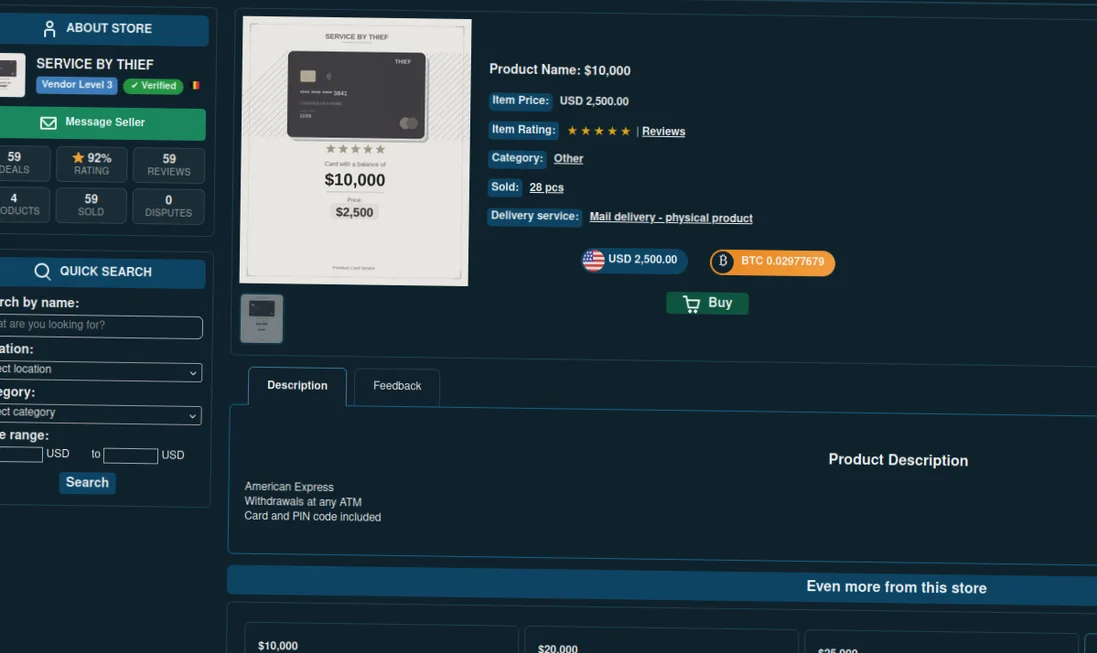
Visual evidence of ATM skimming — a critical analysis.
What Numbers Tell Us About This Case?
The financial ramifications of Mark's actions are stark. Over a brief period, he managed to withdraw a total of $4,900 from ATMs across Florida, paying $480 for the cloned cards. The timeline of his criminal activities spanned just 15 days, culminating in a federal prison sentence of five years, along with a hefty fine and restitution totaling $22,000. This illustrates the serious legal consequences tied to financial crimes in the digital age.
| Withdrawals | Amount Withdrawn | Paid for Cards | Days from Withdrawal to Arrest | Federal Prison Sentence | Fine and Restitution | Supervised Release |
|---|---|---|---|---|---|---|
| 4 | $4,900 | $480 | 15 | 5 years (60 months) | $22,000 | 3 years |
This data underlines the significant risks associated with engaging in carding activities, demonstrating not only the immediate financial gain but also the long-term repercussions that follow.
The investigation traced back to the darknet marketplace where Mark made his purchase.
Where Did Mark Go Wrong?
Mark's missteps were numerous, highlighting the flaws in his approach toward committing a crime he believed he could execute without consequences. First, all ATM transactions occurred within a 40-mile radius of his home, making it easier for fraud detection systems to flag his activity. Additionally, he failed to disguise his appearance during the transactions, leaving his face exposed to the camera — a mistake that led directly to his identification through state databases.
Further complicating his situation was his choice to use a centralized exchange for purchasing Monero. This decision linked his identity to the cryptocurrency he intended to use for illicit purchases, effectively erasing any semblance of anonymity he hoped to achieve. The physical evidence seized from his apartment, including the cards and skimming devices, coupled with the cash amounting to $3,200 — matching ATM denominations — sealed his fate.
Mark's rapid withdrawal pattern within a tight timeframe provided law enforcement with a clear narrative, emphasizing that a well-thought-out criminal strategy requires patience and caution, not haste. In the world of cybercrime, every detail counts, and the absence of a strategic approach can lead to dire consequences.
Before engaging in any illicit activity, one should ensure they have a comprehensive understanding of the potential pitfalls, including the likelihood of electronic and physical evidence leading straight to them.
What Lessons Can Be Learned?
Mark’s case serves as a stark reminder of the effectiveness of anti-fraud systems in banks and the importance of integrating both physical and digital forensics in investigations. The rapid identification of fraudulent patterns and swift action from financial institutions underscore how robust anti-fraud measures can thwart even the most confident criminals. Security professionals recognize that advancements in machine learning for anomaly detection are crucial in staying a step ahead of cybercriminals.
Moreover, the case emphasizes that even cryptocurrencies marketed as anonymous do not guarantee privacy. The weak link in Mark’s chain was the KYC verification required by the exchange he used to purchase Monero. This intersection of digital and physical evidence shows that entering the world of cryptocurrencies does not shield one from accountability.
Customer education is another vital element highlighted by this case. The delays in reporting fraudulent activity by victims could have been lessened through improved awareness and proactive communication from banks regarding potential threats. The quicker a victim alerts their bank to unauthorized transactions, the less opportunity a criminal has to withdraw funds. Ultimately, Mark’s experience serves as a cautionary tale, illustrating that the dark web is not as secure as many believe, and the consequences of being caught are very real.
Mark T.'s Downfall: A Cautionary Tale in Cybercrime
Law enforcement's diligent efforts led to Mark T.'s conviction and sentencing, underscoring that cybercrime is taken seriously and pursued with urgency. In March 2025, he pleaded guilty to charges related to fraud and money laundering, receiving a 60-month prison sentence and a significant fine. The judge noted his role as a buyer rather than an organizer, but in the world of crime, every participant bears responsibility for their actions.
As the dark web continues to evolve, so do the methods employed by law enforcement to counteract cybercrime. Lessons from Mark's experience will undoubtedly resonate within the cybersecurity community, encouraging vigilance and innovation in the ongoing fight against digital fraud.
 Allworld cards onion linkFind the current AllWorld Cards onion link for secure access to payment card services in the dark web.
 Finding Deep Web Video Sites: What You Need to KnowExplore deep web video sites to access hard-to-find content safely and securely, without relying on unreliable lists.
 Download Tor APK Free: Your GuideDownload the official Tor APK for free and learn how to install it safely on your Android device for enhanced privacy.
 Best Deep Web Apps for Android: A Curated ListDiscover the best deep web apps for Android that ensure privacy and security while accessing hidden resources safely.